Search
Invitrogen
Glucocorticoid Receptor Monoclonal Antibody (BuGR2)
{{$productOrderCtrl.translations['antibody.pdp.commerceCard.promotion.promotions']}}
{{$productOrderCtrl.translations['antibody.pdp.commerceCard.promotion.viewpromo']}}
{{$productOrderCtrl.translations['antibody.pdp.commerceCard.promotion.promocode']}}: {{promo.promoCode}} {{promo.promoTitle}} {{promo.promoDescription}}. {{$productOrderCtrl.translations['antibody.pdp.commerceCard.promotion.learnmore']}}
Additional Information:
{{banner.description}}

FIGURE: 1 / 25
Glucocorticoid Receptor Antibody (MA1-510) in ICC/IF
Immunofluorescent analysis of Glucocorticoid Receptor using Glucocorticoid Receptor Monoclonal Antibody (BuGR2) (Product # MA1-510) shows staining in A549 Cells. Glucocorticoid Receptor (green), F-Actin staining with Phalloidin (red) and nuclei with DAPI (blue) is shown. Cells were grown on chamber slides and fixed with formaldehyde prior to staining. Cells were probed without (control) or with an antibody ... View More








Product Details
MA1-510
Applications
Tested Dilution
Publications
Product Specifications
Species Reactivity
Guinea pig,
Human,
Mouse,
Sheep,
Rabbit,
Rat,
Yeast
Published species
Human,
Mouse,
Non-human primate,
Rabbit,
Rat,
Sheep,
Xenopus,
Yeast
Host/Isotype
Mouse
/ IgG2a
Class
Monoclonal
Type
Antibody
Clone
BuGR2
Immunogen
Partially purified rat GR.
Conjugate
Form
Lyophilized
Concentration
1 mg/mL
Amount
100 µg
Purification
Protein A
Storage buffer
PBS, pH 7.2
Contains
0.05% sodium azide
Storage conditions
-20°C, Avoid Freeze/Thaw Cycles
Shipping conditions
Ambient (domestic); Wet ice (international)
RRID
Product Specific Information
MA1-510 detects glucocorticoid receptor (GR) from human, mouse, rat, guinea pig, rabbit, sheep and yeast samples. This antibody does not react with primate, avian or amphibian GR.
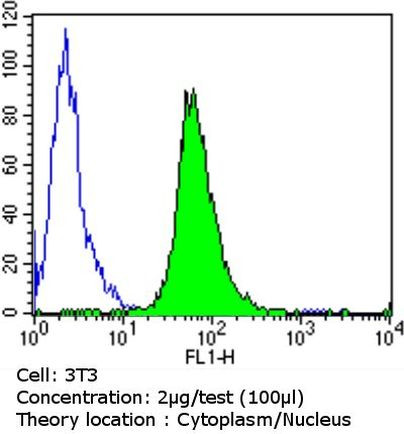
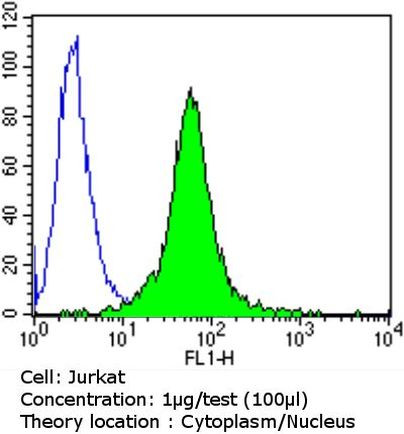
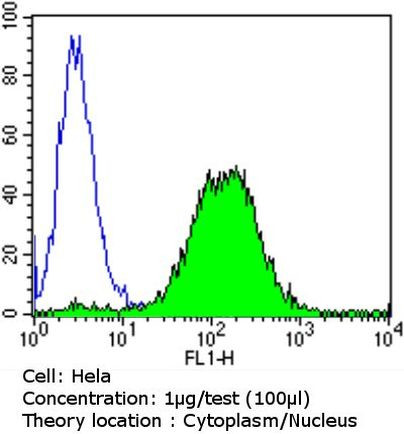
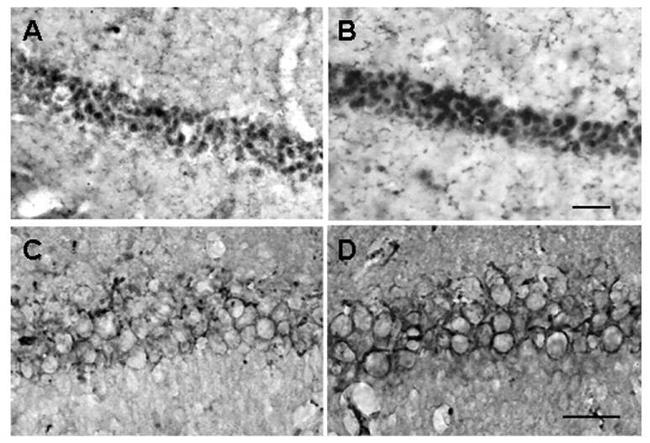
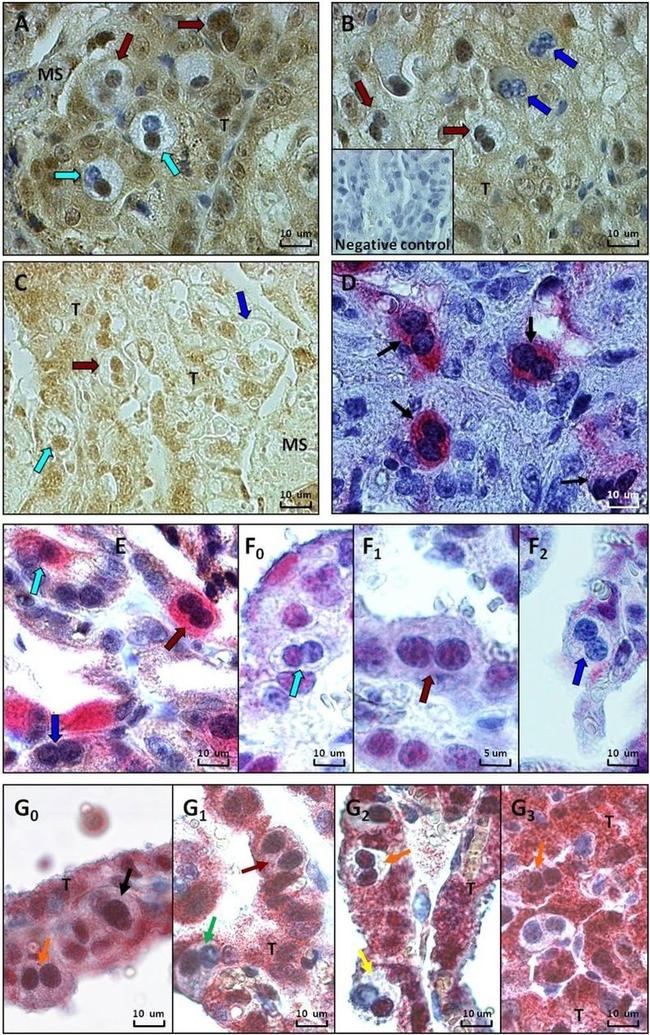
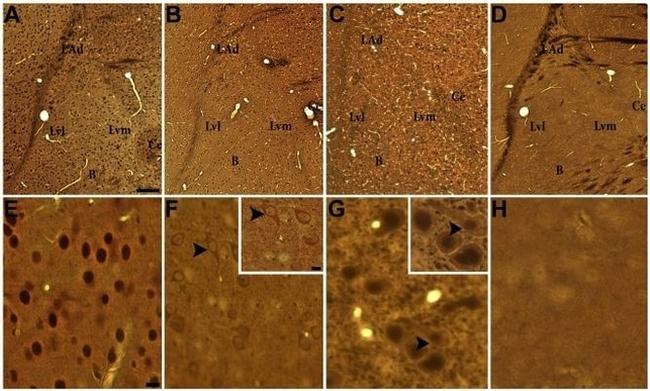
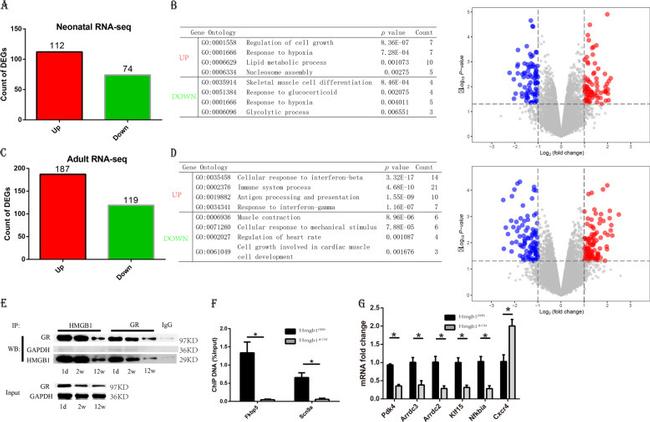
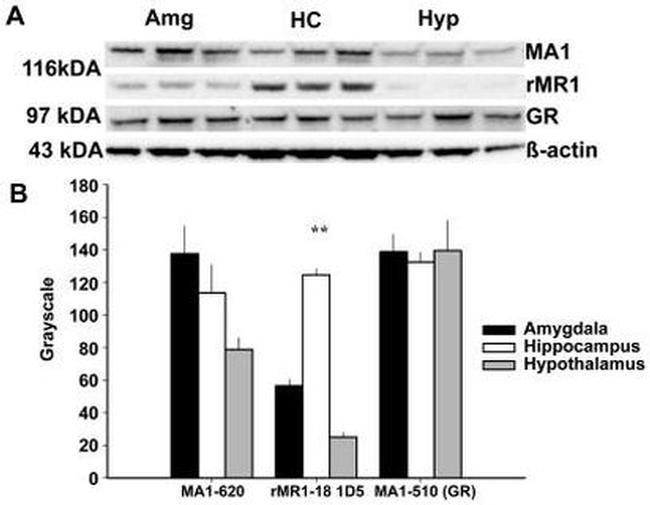
MA1-510 has been successfully used in Western blot, immunofluorescence, immunocytochemistry, flow cytometry, immunohistochemistry, immunoprecipitation, and gel shift procedures. By Western blot, this antibody detects a 97 kDa protein representing GR in L929 cell extract. Immunocytochemical staining of GR in L929 cells with MA1-510 results in staining of both the cytoplasm and nucleus, even in the presence of hormone. Using enzymatic digestion analysis, MA1-510 reacts with the undigested 97 kDa GR, a 17 kDa DNA-binding trypsin fragment, and a 45 kDa steroid- and DNA-binding chymotrypsin fragment.
The MA1-510 immunogen is partially purified rat GR.
Reconstitute with 100 µL distilled water.
Target Information
Glucocorticoid Receptor (NR3C1) is a receptor for glucocorticoids that can act as both a transcription factor and as a regulator of other transcription factors. Glucocorticoid Receptor can also be found in heteromeric cytoplasmic complexes along with heat shock factors and immunophilins. The protein is typically found in the cytoplasm until it binds a ligand, which induces transport into the nucleus. Glucocorticoid Receptor is expressed in the heart, detected in left and right atria, left and right ventricles, aorta, apex, intraventricular septum, and atrioventricular node as well as whole adult and fetal heart. Alternate splicing, the use of at least three different promoters, and alternate translation initiation sites result in several transcript variants encoding the same protein or different isoforms, but the full-length nature of some variants has not been determined. Mutations in the Glucocorticoid Receptor gene are a cause of glucocorticoid resistance, or cortisol, resistance. Studies have shown that glucocorticoid receptor (GR) must be associated with a complex of chaperone proteins for ligand activation. GR binds to known steroids such as dexamethasone with nanomolar affinity
For Research Use Only. Not for use in diagnostic procedures. Not for resale without express authorization.
Bioinformatics
Protein Aliases: cytosolic/nuclear receptor; Glucocorticoid receptor; glucocorticoid receptor 1; glucocorticoid receptor alpha; GR; gr alpha; GR Kit; hGR DL-1; hGR NS-1; Nuclear receptor subfamily 3 group C member 1; nuclear receptor subfamily 3 group C member 1 variant hGR-B(54); nuclear receptor subfamily 3 group C member 1 variant hGR-B(77); nuclear receptor subfamily 3 group C member 1 variant hGR-B(93); nuclear receptor subfamily 3, group C, member 1 (glucocorticoid receptor); OTTHUMP00000222854; OTTHUMP00000222858; putative upstream ORF.; Unknown; unnamed protein product
Gene Aliases: GCCR; GCR; GCRST; GR; GRL; Grl-1; Grl1; NR3C1
UniProt ID: (Human) P04150, (Rabbit) P59667, (Mouse) P06537, (Guinea pig) P49115, (Rat) P06536
Entrez Gene ID: (Sheep) 443412, (Human) 2908, (Rabbit) 100008890, (Mouse) 14815, (Guinea pig) 100135583, (Rat) 24413
RNA polymerase II regulatory region sequence-specific DNA binding
RNA polymerase II core promoter proximal region sequence-specific DNA binding
RNA polymerase II transcription factor activity, sequence-specific DNA binding
core promoter sequence-specific DNA binding
transcriptional repressor activity, RNA polymerase II transcription regulatory region sequence-specific binding
transcriptional activator activity, RNA polymerase II transcription regulatory region sequence-specific binding
DNA binding
transcription factor activity, sequence-specific DNA binding
RNA binding
RNA polymerase II transcription factor activity, ligand-activated sequence-specific DNA binding
glucocorticoid receptor activity
steroid binding
protein binding
zinc ion binding
lipid binding
TBP-class protein binding
protein kinase binding
estrogen response element binding
identical protein binding
sequence-specific DNA binding
metal ion binding
Hsp90 protein binding
steroid hormone binding
sequence-specific double-stranded DNA binding
promoter-specific chromatin binding
RNA polymerase II regulatory region DNA binding
transcriptional activator activity, RNA polymerase II core promoter proximal region sequence-specific binding
chromatin binding
double-stranded DNA binding
steroid hormone receptor activity
transcription coactivator activity
transcription factor binding
Hsp70 protein binding
receptor tyrosine kinase binding
heat shock protein binding
protein complex binding
glucocorticoid-activated RNA polymerase II transcription factor binding transcription factor activity
hormone binding
protein homodimerization activity
protein heterodimerization activity
protein dimerization activity
regulation of gluconeogenesis
chromatin remodeling
transcription, DNA-templated
regulation of transcription, DNA-templated
transcription from RNA polymerase II promoter
glucocorticoid metabolic process
regulation of glucose metabolic process
positive regulation of glutamate secretion
chromatin modification
adrenal gland development
negative regulation of synaptic plasticity
regulation of glucocorticoid biosynthetic process
regulation of cell proliferation
maternal behavior
glucocorticoid receptor signaling pathway
negative regulation of vascular permeability
steroid hormone mediated signaling pathway
glucocorticoid mediated signaling pathway
positive regulation of neuron apoptotic process
positive regulation of transcription from RNA polymerase II promoter
response to arsenic-containing substance
chromatin-mediated maintenance of transcription
mammary gland duct morphogenesis
positive regulation of dendritic spine development
positive regulation of cell growth involved in cardiac muscle cell development
cellular response to steroid hormone stimulus
cellular response to dexamethasone stimulus
negative regulation of glucocorticoid mediated signaling pathway
positive regulation of glucocorticoid receptor signaling pathway
negative regulation of transcription from RNA polymerase II promoter
chromatin organization
regulation of transcription from RNA polymerase II promoter
apoptotic process
chromosome segregation
signal transduction
response to wounding
gene expression
microglia differentiation
intracellular steroid hormone receptor signaling pathway
nuclear receptor-mediated corticosteroid signaling pathway
synaptic transmission, glutamatergic
negative regulation of transcription, DNA-templated
positive regulation of transcription, DNA-templated
astrocyte differentiation
cell division
response to glucocorticoid
response to cortisol
motor behavior
cellular response to glucocorticoid stimulus
cellular response to transforming growth factor beta stimulus
neuroinflammatory response
response to ketone
positive regulation of pri-miRNA transcription from RNA polymerase II promoter
brain development
aging
circadian rhythm
androgen metabolic process
response to radiation
response to activity
response to inactivity
muscle atrophy
lung development
response to insulin
response to mercury ion
response to corticosterone
response to calcium ion
response to electrical stimulus
cellular response to magnesium ion
response to dexamethasone
Disclaimer

Clicking the images or links will redirect you to a website hosted by BenchSci that provides third-party scientific content. Neither the content nor the BenchSci technology and processes for selection have been evaluated by us; we are providing them as-is and without warranty of any kind, including for use or application of the Thermo Fisher Scientific products presented.

Performance Guarantee
If an Invitrogen™ antibody doesn't perform as described on our website or datasheet,we'll replace the product at no cost to you, or provide you with a credit for a future purchase.*
Learn more
We're here to help
Get expert recommendations for common problems or connect directly with an on staff expert for technical assistance related to applications, equipment and general product use.
Contact tech support