Search
Invitrogen
Phospho-SRC (Tyr418) Monoclonal Antibody (SC1T2M3), PerCP-eFluor™ 710, eBioscience™
{{$productOrderCtrl.translations['antibody.pdp.commerceCard.promotion.promotions']}}
{{$productOrderCtrl.translations['antibody.pdp.commerceCard.promotion.promocode']}}: {{promo.promoCode}} {{promo.promoTitle}} {{promo.promoDescription}}. {{$productOrderCtrl.translations['antibody.pdp.commerceCard.promotion.learnmore']}}
{{$ctrl.translations['antibody.pdp.skuNotes.additionalInformation']}}:

FIGURE: 1 / 1
Phospho-SRC (Tyr418) Antibody (46-9034-42) in Flow
Intracellular staining of mouse spleen cells untreated (orange histogram) or treated with staurosporine for 2 hours (purple histogram) with Anti-Human/Mouse phospho-Src (Y418) PerCP-eFluor® 710 using the Intracellular Fixation & Permeabilization Buffer Set (Product # 88-8824-00) and protocol. Cells in the lymphocyte gate were used for analysis.

Please note: We are reviewing Western blot images included in the antibody testing data in our catalog, including those provided by third parties. Unless expressly labeled or annotated as “raw-unedited”, Western blot images included in the antibody testing data in our catalog may have been edited, optimized or otherwise adjusted for presentation.

Product Details
46-9034-42
Product Specifications
Species Reactivity
Human,
Mouse
Host/Isotype
Mouse
/ IgG2b, kappa
Recommended Isotype Control
Class
Monoclonal
Type
Antibody
Clone
SC1T2M3
Conjugate
PerCP-eFluor™ 710
PerCP-eFluor™ 710
PerCP-eFluor™ 710
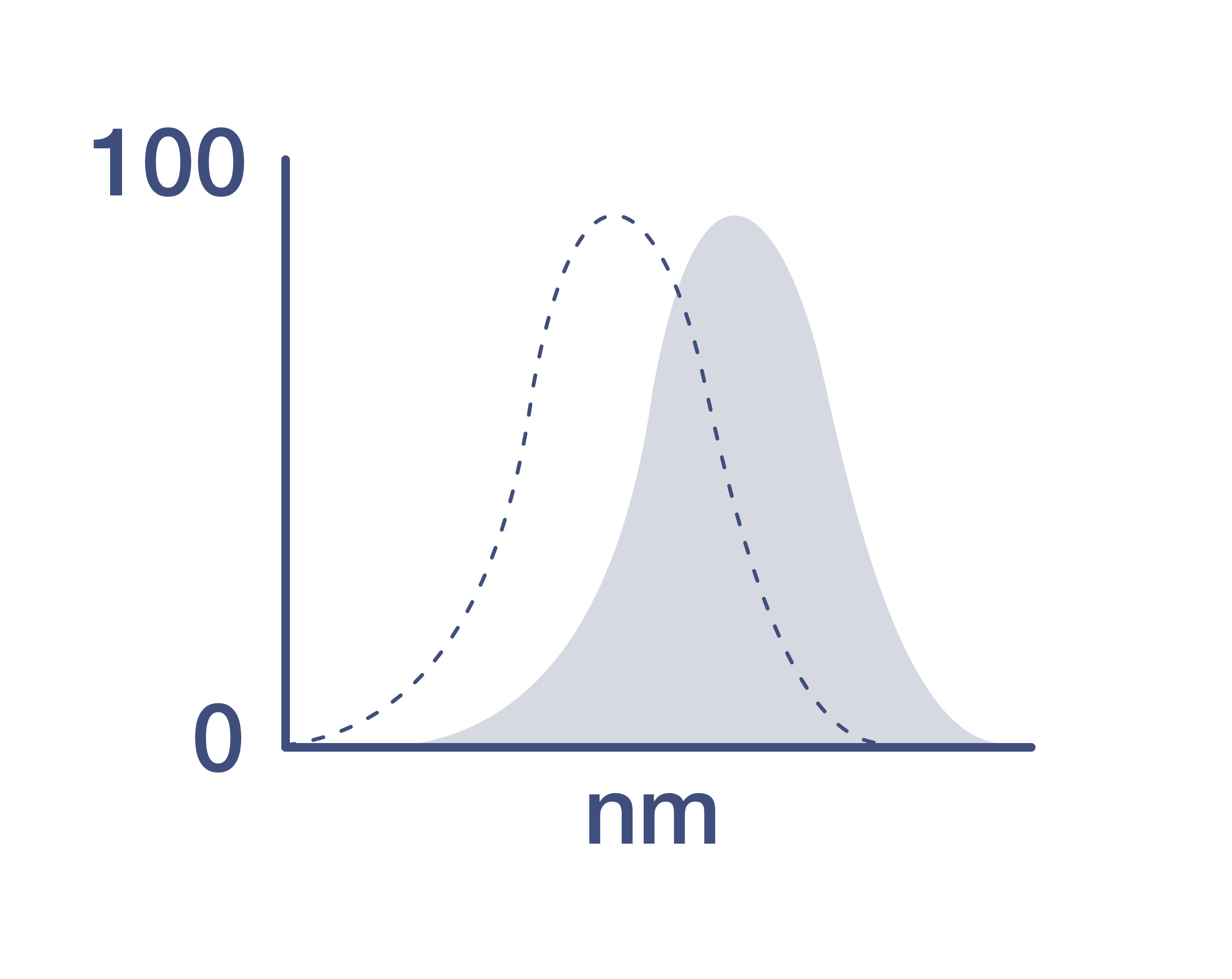
Excitation/Emission Max
482/708 nm
View spectra
Form
Liquid
Concentration
5 µL/Test
Purification
Affinity chromatography
Storage buffer
PBS, pH 7.2, with BSA
Contains
0.09% sodium azide
Storage conditions
4°C, store in dark, DO NOT FREEZE!
Shipping conditions
Ambient (domestic); Wet ice (international)
RRID
Product Specific Information
Description: This SC1T2M3 monoclonal antibody recognizes human and mouse Src tyrosine kinase (also known as ASV, c-src, c-SRC, p60-Src, pp60c-src, Proto-oncogene c-Src, Proto-oncogene tyrosine-protein kinase Src, SRC1) when phosphorylated on tyrosine 418 (Y418). Autophosphorylation of Src at Y418 in the catalytic domain is required for full catalytic activity of this kinase. Src is a non-receptor tyrosine kinase involved in signal transduction in numerous biological systems and is activated following engagement of many different classes of cellular receptors including immune response receptors, integrins and other adhesion receptors, receptor protein tyrosine kinases, G protein-coupled receptors as well as cytokine receptors. Aberrant Src activity has been implicated in the development of numerous types of cancer. Due to the sequence homology surrounding Src Y418, this SC1T2M3 clone is predicted to cross-react with many Src family kinases including Src, Lck, Fyn, and Lyn.
Specificity of this SC1T2M3 clone was determined by ELISA, flow cytometry, and western blotting.
Applications Reported: This SC1T2M3 antibody has been reported for use in intracellular staining followed by flow cytometric analysis.
Applications Tested: This SC1T2M3 antibody has been pre-titrated and tested by intracellular staining followed by flow cytometric analysis of normal human peripheral blood cells. This can be used at 5 µL (0.125 µg) per test. A test is defined as the amount (µg) of antibody that will stain a cell sample in a final volume of 100 µL. Cell number should be determined empirically but can range from 10^5 to 10^8 cells/test.
Staining Protocol: All protocols work well for this monoclonal antibody. Use of Protocol A: Two-step protocol: intracellular (cytoplasmic) proteins allows for the greatest flexibility for detection of surface and intracellular (cytoplasmic) proteins. Use of Protocol B: One-step protocol: intracellular (nuclear) proteins is recommended for staining of transcription factors in conjunction with surface and phosphorylated intracellular (cytoplasmic) proteins. Protocol C: Two-step protocol: Fixation/Methanol allows for the greatest discrimination of phospho-specific signaling between unstimulated and stimulated samples, but with limitations on the ability to stain specific surface proteins (refer to "Clone Performance Following Fixation/Permeabilization" located in the BestProtocols Section under the Resources tab online). All Protocols can be found in the Flow Cytometry Protocols: "Staining Intracellular Antigens for Flow Cytometry Protocol" located in the BestProtocols® Section under the Resources tab online.
PerCP-eFluor® 710 emits at 710 nm and is excited with the blue laser (488 nm); it can be used in place of PerCP-Cyanine5.5. We recommend using a 710/50 bandpass filter, however, the 695/40 bandpass filter is an acceptable alternative. Please make sure that your instrument is capable of detecting this fluorochrome.
Light sensitivity: This tandem dye is sensitive to photo-induced oxidation. Please protect this vial and stained samples from light.
Fixation: Samples can be stored in IC Fixation Buffer (Product # 00-8222) (100 µL of cell sample + 100 µL of IC Fixation Buffer) or 1-step Fix/Lyse Solution (Product # 00-5333) for up to 3 days in the dark at 4°C with minimal impact on brightness and FRET efficiency/compensation. Some generalizations regarding fluorophore performance after fixation can be made, but clone specific performance should be determined empirically.
Excitation: 488 nm; Emission: 710 nm; Laser: Blue Laser.
Filtration: 0.2 µm post-manufacturing filtered.
Target Information
SRC is a cytoplasmic tyrosine kinase and proto-oncogene involved in the regulation of embryonic development and cell growth. SRC is involved in the regulation of growth and differentiation of eukaryotic cells. SRC associates with the cytoplasmic region of various cell surface receptors to facilitate signal transduction, and is also involved in cytoskeletal organization, cell cycle regulation, and apoptosis. In humans, the gene encoding SRC is present on chromosome 20. Activity of SRC is regulated by two tyrosine residues (Tyr 416 and Tyr527), and phosphorylation of these two sites have opposing effects. Phosphorylation of Tyr416 in the activation loop of the kinase domain upregulates enzyme activity while the phosphorylation of Tyr527 decreases enzyme activity. Mutations in the SRC gene could be involved in the malignant progression of colon cancer. Two transcript variants encoding the same SRC protein have been found thus far.
For Research Use Only. Not for use in diagnostic procedures. Not for resale without express authorization.
How to use the Panel Builder
Watch the video to learn how to use the Invitrogen Flow Cytometry Panel Builder to build your next flow cytometry panel in 5 easy steps.
References (0)
Have you cited this product in a publication?
Let us know so we can reference it here.
Bioinformatics
Protein Aliases: EC 2.7.10.2; neuronal proto-oncogene tyrosine-protein kinase Src; OTTHUMP00000174476; OTTHUMP00000174477; OTTHUMP00000174478; p60-Src; pp60src; proto-oncogene c-Src; protooncogene SRC, Rous sarcoma; Rous sarcoma oncogene; RP5-823N20.1; tyrosine kinase pp60c-src; tyrosine-protein kinase SRC-1; tyrosine-specific protein kinase; unnamed protein product; v-src avian sarcoma (Schmidt-Ruppin A-2) viral oncogene homolog
Gene Aliases: ASV; c-SRC; p60-Src; pp60c-src; SRC1; THC6
UniProt ID: (Human) P12931, (Mouse) P05480
Entrez Gene ID: (Human) 6714, (Mouse) 20779
protein kinase activity
protein tyrosine kinase activity
non-membrane spanning protein tyrosine kinase activity
receptor binding
integrin binding
protein binding
ATP binding
phospholipase activator activity
kinase activity
enzyme binding
protein domain specific binding
heme binding
protein tyrosine kinase activator activity
receptor activator activity
ionotropic glutamate receptor binding
SH2 domain binding
phospholipase binding
ion channel binding
cadherin binding
ephrin receptor binding
ATPase binding
phosphoprotein binding
BMP receptor binding
connexin binding
scaffold protein binding
protein kinase C binding
insulin receptor binding
protein kinase binding
estrogen receptor binding
macromolecular complex binding
cell adhesion molecule binding
negative regulation of transcription from RNA polymerase II promoter
primary ovarian follicle growth
positive regulation of cytokine production
protein phosphorylation
cell adhesion
epidermal growth factor receptor signaling pathway
transforming growth factor beta receptor signaling pathway
integrin-mediated signaling pathway
gamete generation
lactation
positive regulation of cell proliferation
positive regulation of gene expression
negative regulation of gene expression
regulation of epithelial cell migration
positive regulation of epithelial cell migration
positive regulation of glucose metabolic process
positive regulation of protein processing
positive regulation of smooth muscle cell migration
cell migration
protein deubiquitination
peptidyl-tyrosine phosphorylation
regulation of cell-cell adhesion
cell differentiation
positive regulation of cell migration
forebrain development
negative regulation of protein complex assembly
protein destabilization
cellular response to nutrient levels
negative regulation of telomere maintenance
regulation of intracellular estrogen receptor signaling pathway
toll-like receptor 3 signaling pathway
regulation of toll-like receptor 3 signaling pathway
substrate adhesion-dependent cell spreading
cellular response to reactive oxygen species
positive regulation of Rac protein signal transduction
positive regulation of dephosphorylation
negative regulation of hippo signaling
intracellular signal transduction
osteoclast development
cellular response to platelet-derived growth factor stimulus
peptidyl-tyrosine autophosphorylation
angiotensin-activated signaling pathway
TORC1 signaling
vasodilation
odontogenesis
positive regulation of apoptotic process
negative regulation of apoptotic process
stress fiber assembly
proteasome-mediated ubiquitin-dependent protein catabolic process
positive regulation of MAP kinase activity
transcytosis
bone resorption
positive regulation of Notch signaling pathway
positive regulation of bone resorption
positive regulation of cell adhesion
positive regulation of cell size
positive regulation of glycolytic process
positive regulation of Ras protein signal transduction
positive regulation of insulin receptor signaling pathway
neurotrophin TRK receptor signaling pathway
focal adhesion assembly
oogenesis
positive regulation of peptidyl-tyrosine phosphorylation
progesterone receptor signaling pathway
positive regulation of small GTPase mediated signal transduction
positive regulation of protein transport
negative regulation of focal adhesion assembly
positive regulation of protein kinase B signaling
negative regulation of mitochondrial depolarization
uterus development
branching involved in mammary gland duct morphogenesis
regulation of cell projection assembly
intestinal epithelial cell development
interleukin-6-mediated signaling pathway
cellular response to hydrogen peroxide
positive regulation of ERK1 and ERK2 cascade
response to interleukin-1
cellular response to peptide hormone stimulus
cellular response to progesterone stimulus
cellular response to fluid shear stress
cellular response to transforming growth factor beta stimulus
positive regulation of podosome assembly
DNA biosynthetic process
regulation of heart rate by cardiac conduction
positive regulation of canonical Wnt signaling pathway
positive regulation of wound healing
positive regulation of protein localization to nucleus
positive regulation of intracellular signal transduction
negative regulation of neutrophil activation
positive regulation of cellular protein localization
negative regulation of TORC1 signaling
positive regulation of TORC1 signaling
cellular response to angiotensin
positive regulation of vascular smooth muscle cell proliferation
positive regulation of neural precursor cell proliferation
positive regulation of male germ cell proliferation
positive regulation of ovarian follicle development
positive regulation of lamellipodium morphogenesis
positive regulation of platelet-derived growth factor receptor-beta signaling pathway
regulation of early endosome to late endosome transport
negative regulation of anoikis
negative regulation of extrinsic apoptotic signaling pathway
negative regulation of intrinsic apoptotic signaling pathway
regulation of caveolin-mediated endocytosis
stimulatory C-type lectin receptor signaling pathway
negative regulation of inflammatory response to antigenic stimulus
signal transduction
signal complex assembly
macroautophagy
platelet activation
osteoclast differentiation
T cell costimulation
positive regulation of integrin activation
Fc-gamma receptor signaling pathway involved in phagocytosis
ERBB2 signaling pathway
regulation of vascular permeability
regulation of bone resorption
viral entry into host cell
vascular endothelial growth factor receptor signaling pathway
ephrin receptor signaling pathway
leukocyte migration
Disclaimer

Clicking the images or links will redirect you to a website hosted by BenchSci that provides third-party scientific content. Neither the content nor the BenchSci technology and processes for selection have been evaluated by us; we are providing them as-is and without warranty of any kind, including for use or application of the Thermo Fisher Scientific products presented.

Performance Guarantee
If an Invitrogen™ antibody doesn't perform as described on our website or datasheet,we'll replace the product at no cost to you, or provide you with a credit for a future purchase.*
Learn more
We're here to help
Get expert recommendations for common problems or connect directly with an on staff expert for technical assistance related to applications, equipment and general product use.
Contact tech support