Search
Invitrogen
CD282 (TLR2) Monoclonal Antibody (6C2), eFluor™ 660, eBioscience™
{{$productOrderCtrl.translations['antibody.pdp.commerceCard.promotion.promotions']}}
{{$productOrderCtrl.translations['antibody.pdp.commerceCard.promotion.promocode']}}: {{promo.promoCode}} {{promo.promoTitle}} {{promo.promoDescription}}. {{$productOrderCtrl.translations['antibody.pdp.commerceCard.promotion.learnmore']}}
{{$ctrl.translations['antibody.pdp.skuNotes.additionalInformation']}}:

FIGURE: 1 / 15
CD282 (TLR2) Antibody (50-9021-82) in Flow
Staining of BALB/c splenocytes with Anti-Mouse CD11b FITC (Product # 11-0112-41) and 0.06 µg of Rat IgG2b Isotype Control eFluor® 660 (Product # 50-4031-82) (left) or 0.06 µg of Anti-Mouse CD282 (TLR2) eFluor® 660 (right). Total viable cells were used for analysis.


Please note: We are reviewing Western blot images included in the antibody testing data in our catalog, including those provided by third parties. Unless expressly labeled or annotated as “raw-unedited”, Western blot images included in the antibody testing data in our catalog may have been edited, optimized or otherwise adjusted for presentation.





Product Details
50-9021-82
Applications
Tested Dilution
Publications
Product Specifications
Species Reactivity
Mouse
Published species
Mouse
Host/Isotype
Rat
/ IgG2b, kappa
Recommended Isotype Control
Class
Monoclonal
Type
Antibody
Clone
6C2
Conjugate
eFluor™ 660
eFluor™ 660
eFluor™ 660
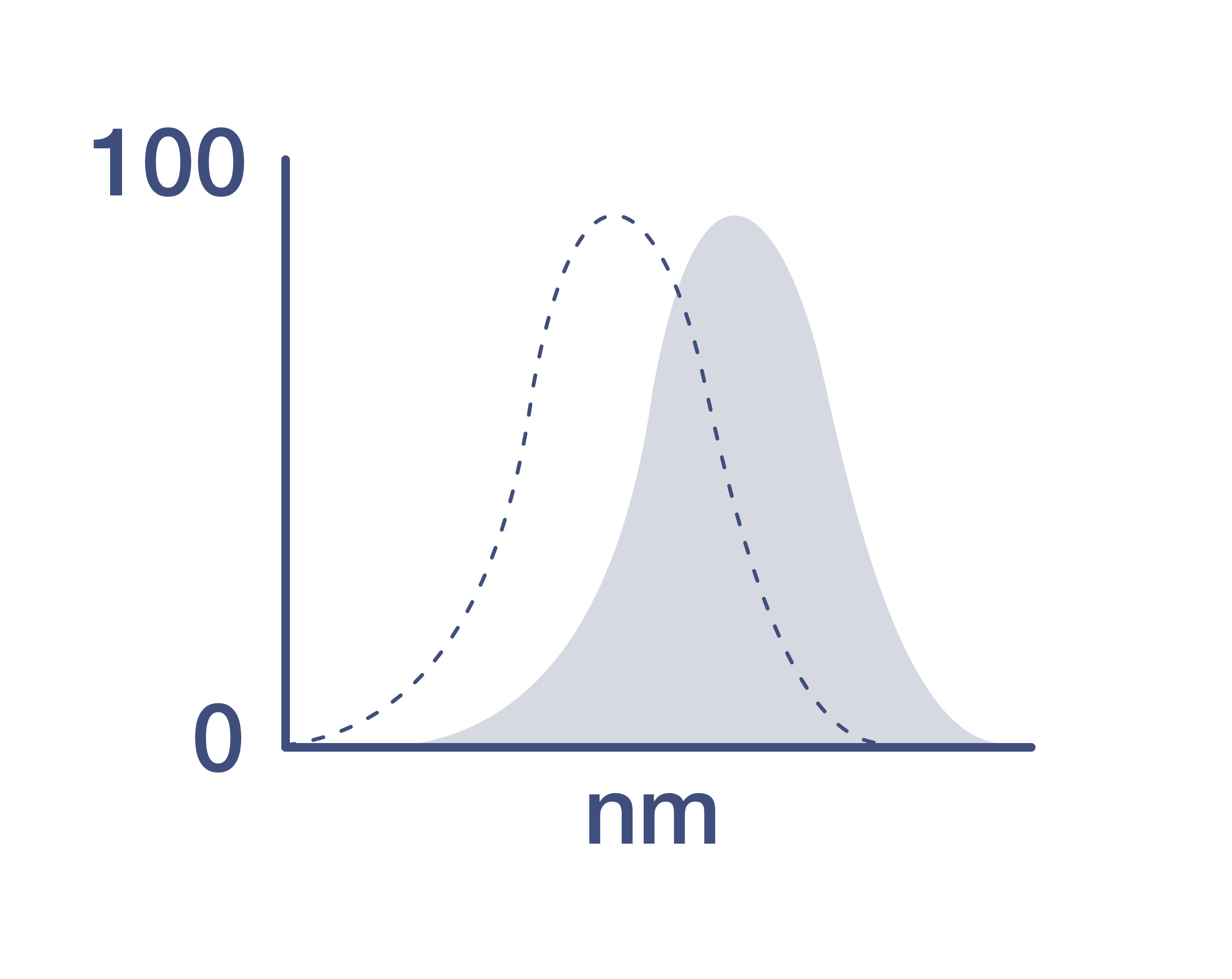
Excitation/Emission Max
651/668 nm
View spectra
Form
Liquid
Concentration
0.2 mg/mL
Amount
100 µg
Purification
Affinity chromatography
Storage buffer
PBS, pH 7.2
Contains
0.09% sodium azide
Storage conditions
4°C, store in dark, DO NOT FREEZE!
Shipping conditions
Ambient (domestic); Wet ice (international)
RRID
Product Specific Information
Description: The 6C2 monoclonal antibody reacts with mouse Toll-like receptor 2 (TLR2). Mouse TLR2 is expressed by the myeloid lineage, including macrophage and dendritic cells in splenocytes and the RAW264.7 cell line. To date, at least twelve members of the Toll family have been identified in human and mouse. This family of type I transmembrane proteins is characterized by an extracellular domain with leucine-rich repeats and a cytoplasmic domain with homology to the type I IL-1 receptor. Two of these receptors, TLR2 and TLR4, are pattern recognition receptors and signaling molecules in response to bacterial lipoproteins and have been implicated in innate immunity and inflammation. TLR2 is expressed on the surface of cells and is responsible for distinguishing different pathogens.
Applications Reported: This 6C2 antibody has been reported for use in flow cytometric analysis.
Applications Tested: This 6C2 antibody has been tested by flow cytometric analysis of mouse splenocytes. This can be used at less than or equal to 0.125 µg per test. A test is defined as the amount (µg) of antibody that will stain a cell sample in a final volume of 100 µL. Cell number should be determined empirically but can range from 10^5 to 10^8 cells/test. It is recommended that the antibody be carefully titrated for optimal performance in the assay of interest.
eFluor® 660 is a replacement for Alexa Fluor® 647. eFluor® 660 emits at 659 nm and is excited with the red laser (633 nm). Please make sure that your instrument is capable of detecting this fluorochome.
Excitation: 633-647 nm; Emission: 668 nm; Laser: Red Laser.
Filtration: 0.2 µm post-manufacturing filtered.
Target Information
TLR2 is a member of the Toll-like receptor (TLR) family which play a fundamental role in pathogen recognition and activation of innate immunity. TLR proteins act through adaptor molecules such as MyD88 and TIRAP to activate various kinases and transcription factors such as Protein Kinase C (PKC) alpha/beta and NF-kappa-B. TLR2 can form heterodimers with either TLR1 or TLR6, and as a heterodimer, can recognize a variety of bacterial and mycoplasma lipoproteins respectively. TLRs are highly conserved from Drosophila to humans and share structural and functional similarities. The various TLRs exhibit different patterns of expression. TLR2 is expressed most abundantly in peripheral blood leukocytes, and mediates host response to Gram-positive bacteria and yeast via stimulation of NF-kappaB. TLR2 aids in the recognition of pathogen-associated molecular patterns (PAMPs) that are expressed on infectious agents, and mediate the production of cytokines necessary for the development of effective immunity. Ten human homologs of TLRs (TLR1-10) have been described. TLR2 is expressed in human cells such as tonsils, microglia, lymph nodes, and appendices, activated B-cells in germinal centers. CD14+ monocytes express the highest level of TLR2 followed by CD15+ granulocytes, CD19+ B-cells, and CD3+ T-cells. The expression of TLR2 on different cell types are regulated by different immune response modifiers. For example, LPS, GM-CSF, IL-1, and IL-10 up regulates TLR2 whereas IL-4, IFN-gamma, and TNF down regulate TLR2 expression in monocytes.
For Research Use Only. Not for use in diagnostic procedures. Not for resale without express authorization.
How to use the Panel Builder
Watch the video to learn how to use the Invitrogen Flow Cytometry Panel Builder to build your next flow cytometry panel in 5 easy steps.
Bioinformatics
Protein Aliases: LPS receptor; mTLR-2; TLR-2; TLR2; unnamed protein product
Gene Aliases: Ly105
UniProt ID: (Mouse) Q9QUN7
Entrez Gene ID: (Mouse) 24088
lipopolysaccharide binding
beta-amyloid binding
lipopolysaccharide receptor activity
transmembrane signaling receptor activity
protein binding
Toll-like receptor binding
signaling receptor activity
pattern recognition receptor activity
triacyl lipopeptide binding
diacyl lipopeptide binding
identical protein binding
peptidoglycan binding
macromolecular complex binding
lipoteichoic acid binding
lipopeptide binding
microglial cell activation
positive regulation of cytokine production
toll-like receptor signaling pathway
response to molecule of fungal origin
positive regulation of leukocyte migration
regulation of dendritic cell cytokine production
cell surface pattern recognition receptor signaling pathway
MyD88-dependent toll-like receptor signaling pathway
leukotriene metabolic process
defense response
inflammatory response
immune response
signal transduction
learning
negative regulation of cell proliferation
response to bacterium
positive regulation of gene expression
positive regulation of striated muscle cell apoptotic process
positive regulation of neuron projection development
microglia development
positive regulation of Wnt signaling pathway
positive regulation of cell migration
negative regulation of actin filament polymerization
lipopolysaccharide-mediated signaling pathway
central nervous system myelin formation
response to bacterial lipoprotein
response to peptidoglycan
regulation of tumor necrosis factor production
negative regulation of interleukin-12 production
negative regulation of interleukin-17 production
positive regulation of chemokine production
positive regulation of interferon-beta production
positive regulation of interleukin-1 beta production
positive regulation of interleukin-10 production
positive regulation of interleukin-12 production
positive regulation of interleukin-18 production
positive regulation of interleukin-6 production
positive regulation of interleukin-8 production
positive regulation of tumor necrosis factor production
toll-like receptor 2 signaling pathway
toll-like receptor TLR1:TLR2 signaling pathway
toll-like receptor TLR6:TLR2 signaling pathway
detection of triacyl bacterial lipopeptide
detection of diacyl bacterial lipopeptide
positive regulation of I-kappaB kinase/NF-kappaB signaling
positive regulation of MAPK cascade
innate immune response
positive regulation of nitric oxide biosynthetic process
positive regulation of transcription from RNA polymerase II promoter
nitric oxide metabolic process
positive regulation of JAK-STAT cascade
positive regulation of oligodendrocyte differentiation
positive regulation of inflammatory response
negative regulation of phagocytosis
positive regulation of phagocytosis
defense response to Gram-positive bacterium
negative regulation of synapse assembly
positive regulation of macrophage cytokine production
positive regulation of ERK1 and ERK2 cascade
response to fatty acid
cellular response to bacterial lipopeptide
cellular response to lipoteichoic acid
cellular response to peptidoglycan
cellular response to interferon-gamma
cellular response to diacyl bacterial lipopeptide
cellular response to triacyl bacterial lipopeptide
antibacterial innate immune response
positive regulation of intracellular signal transduction
positive regulation of cellular response to macrophage colony-stimulating factor stimulus
positive regulation of xenophagy
positive regulation of matrix metallopeptidase secretion
positive regulation of vascular associated smooth muscle cell migration
Disclaimer

Clicking the images or links will redirect you to a website hosted by BenchSci that provides third-party scientific content. Neither the content nor the BenchSci technology and processes for selection have been evaluated by us; we are providing them as-is and without warranty of any kind, including for use or application of the Thermo Fisher Scientific products presented.

Performance Guarantee
If an Invitrogen™ antibody doesn't perform as described on our website or datasheet,we'll replace the product at no cost to you, or provide you with a credit for a future purchase.*
Learn more
We're here to help
Get expert recommendations for common problems or connect directly with an on staff expert for technical assistance related to applications, equipment and general product use.
Contact tech support