Search
STEMPRO - Human Adipose-Derived Stem Cell Kit

- Low passage
- Each lot from single donor
- MesenPRO RS Medium reduces ADSC doubling time
Human adipose-derived stem cells
- Human ADSCs isolated from human lipoaspirate tissue and cryopreserved from primary cultures
- Low passage—ADSCs passaged once after isolation
- Expanded in MesenPRO RS Medium—a revolutionary new reduced-serum (2%) medium that reduces ADSC doubling times
- Kit contains human ADSCs and MesenPRO RS Medium—components ensure optimal ADSC growth and expansion
ADSCs have demonstrated very similar phenotypic and functional characteristics to bone marrow-derived mesenchymal stem cells. They can be expanded to 4–5 passages before they lose their ability to grow or differentiate into all potential phenotypes.
ADSC Characterization
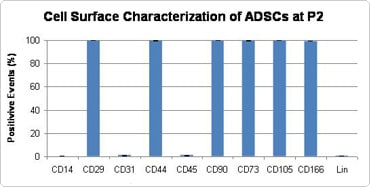
Figure 1. The cell surface protein profile of ADSCs was analyzed by flow cytometry at P2 or P3 and the following criteria was used to characterize the ADSCs
Positive markers:
CD29, CD44, CD73, CD90, CD105, CD166 (>95%)
Negative markers:
CD14, CD31, CD45, Lin1 (< 2%).
Differentiation potential of Human ADSCs
Each vial of ADSCs contains cells that can differentiate into multiple mature cell phenotypes in vitro including adipocytes, osteoblasts, and chondrocytes (Figure 1). In vitro differentiation into non-mesenchymal cell types, such as neuronal and glial progenitors, hepatocytes and vascular endothelial progenitors, cardiomyocytic, pancreatic and epithelial phenotypes has also been described. In addition, ADSCs secrete pro-angiogenic, immunomodulatory, and anti-apoptotic factors. ADSCs can be used for studies of adult stem cell differentiation, tissue engineering, and potential future clinical applications or as cells amenable to delivery of recombinant DNA constructs.
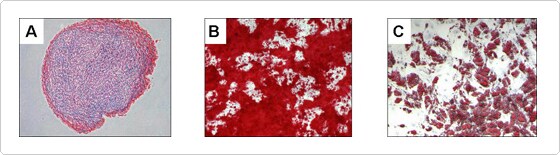
Figure 1. Differentiation potential of human ADSCs
A. ADSCs induced to differentiate towards chondrocytes for 29 days and then stained with Safranin Orange dye ( pellet cross-sectional staining) for proteoglycan content, image captured using 4x objective lens.
B. ADSCs induced to differentiate towards osteoblasts for 29 days and then stained with Alizarin Red dye (which stains mineralized extracellular matrix), image captured using 4x objective lens.
C. ADSCs induced to differentiate towards adipocytes for 14 days and then stained with Oil-Red-O (which stains lipid vacuoles) and counterstained with hematoxylin, image captured using 10x objective lens.
Components of the STEMPRO Human ADSC Kit
 | The Kit contains:
These components ensure optimal ADSC growth and expansion. Each lot of ADSCs originates from a single donor of human lipoaspirate tissue. |
About STEMPRO Human ADSC Kit
Mesenchymal Stem Cell Research Tools
For Research Use Only. Not for use in diagnostic procedures.